
Blames Nigeria’s massive poverty rate on ‘energy poverty’ as 250 graduate into entrepreneurship from NRiSE scheme
By Ignatius Chukwu
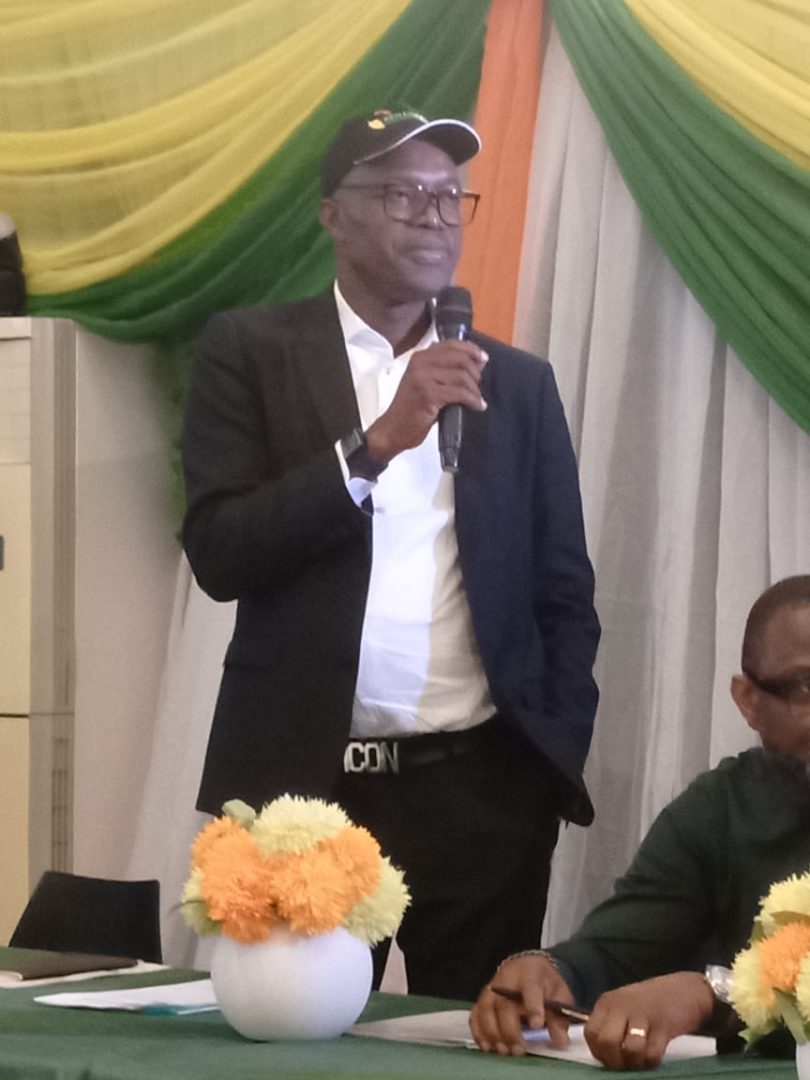
Igo Weli is Vice President of Renaissance Energy Africa. He is known in the oil industry for looking the people of the oil region in the face and tell them the truth, which is that the industry may leave them behind, if they did not listen to good counsel.
Now, most of his cautionary statements over the years have come to pass. He had always warned that capital was shy of violence and could flee. He had also said oil was now competitive. All he wished was for the youths of the oil region to use negotiation rather than threats and violence. He was warning against scaring away the likes of Dangote.
Details:
Renaissance took over onshore assets of SPDC through an acquisition effort in 2025 and moved from about 100,000 bpd to 673,000 bpd. Now, the company has revealed why it appears obsessed in increasing crude output.
The company said in the week in Port Harcourt that it was totally out to lead the fight against ‘energy poverty’ in Nigeria and Africa.
This is because the company believes that Nigeria’s high-rising poverty level has been traced to energy poverty, and Renaissance Energy Africa says it is working hard to help Nigeria overcome the menace.
This was made known by Igo Weli, Vice President, Relations & Sustainable Development, during the graduation/award ceremony of the 2026 batch of NRiSe entrepreneurs scheme in Port Harcourt with 250 participants.
Weli stated that energy poverty has been working hard behind the scene to thwart every move made by government to reduce poverty, saying when citizens lack power supply, most other supplies would never deliver optimum results.
Nigeria’s poverty rate is estimated at 63% (affecting roughly 133 to 140 million people) according to recent World Bank Group reports.
Nigeria is indicated as suffering from severe energy poverty, with over 70% of the population affected and nearly 90 million people lacking basic grid electricity.
This is because Nigeria’s grid-connected electricity generation hovers below 5,000 megawatts (MW) daily, despite having an installed capacity of about 14,100 MW. This gives light to about 12m people out of over 200m.
Renaissance is known to respond to this crisis by moving daily crude oil production to 673mbp in June 2026 from mere 100,000 – 130,000 bpd they inherited early in 2025. The belief is that high crude oil and gas output would lead to higher fuel supply for transportation and other uses plus aviation fuel and domestic gas, all adding to a big boost to Nigeria’s energy capacity. Then, poverty of citizens would crash.
Speaking further, the Vice president noted that the entertainment industry has helped to boost Nigeria’s economy as well as helped to project Nigeria around the world, reminding the audience that even when Nigeria missed the World Cup, Nigerian musicians were invited to entertain the crowds.
He bemoaned lack of attention to human capital development which NRiSE seeks to redeem, saying infrastructural development is very good but human capital development is the key to development.
He said the Niger Delta region needs more opportunities, saying it is incumbent on the people of the region to make it a place to come and build.
He regretted that youths tend to drive away investors and businesses, and gave the account of friend that returned from Canada and wanted to set up a business in Port Harcourt. He said the man regretted and ran away to other regions when community youths came with a long list of demands he could not face.
For reasons such as this, he said, unemployment is very huge in the region. He remarked that over 28,000 persons applied responded for a job advert in the company, and 25% of them were first class holders.
He thus expressed the belief that if the energy poverty is cured, most other aspects of poverty would be drastically reduced.
He said energy transition may not be Nigeria’s immediate priority. “This is because you do not transit from what you do not even have in the first place.”
He showed appreciation that youths of the region were now showing up for entrepreneurship going by the number that applied for NRiSE. He said there was mentality issue in the region because some persons in the past rejected paid jobs for politics.
Throwing more light on the scheme, Weli said: “Many of us remember LiveWIRE. For 22 years, the programme provided opportunities for young entrepreneurs across the Niger Delta, training approximately 11,000 people and supporting many businesses that are still operating today. Some beneficiaries became employers of labour. Others became suppliers and business partners. Many became role models within their communities.
“Today, we are building on that legacy through NRISE. The transition from LiveWIRE to NRISE is not simply a change of name. Think of it as renovating a family house that has served generations. You keep the foundation because it is strong, but you redesign and improve it to meet new realities and future needs. That is exactly what NRISE represents.”
He went on: “It builds on the successes and lessons of the past while introducing enhanced support systems, including mentorship, incubation, business advisory services, market linkages, and stronger partnerships that can help young enterprises start, survive, and grow. Ladies and gentlemen, one statistic from this year’s programme particularly caught my attention.
“We received more than 21,000 applications. To me, that number says something important.”
Weli, known in the oil industry for preaching for peace to create a better investment climate in the region, said the day was a special one for many reasons. “We are celebrating the graduation of participants from our Regional Enterprise Development Programme and the Ofoni/Lalagbene Enterprise Development Programme. At the same time, we are launching a new chapter in our enterprise development journey, the NNPC Renaissance Initiative for Sustainable Empowerment, or simply (NRISE.)”
He said when people talk about development, the conversation often focuses on infrastructure, roads, schools, hospitals, and other visible projects. “Those things are important. But experience has taught us that the most sustainable form of development is investment in people. After all, a road remains just a road until people use it to create opportunities and grow businesses.
“That belief has been at the heart of our enterprise development efforts for more than two decades.
“It tells us that despite the challenges young people face, there is no shortage of ambition.”
Across the Niger Delta, he went on, thousands of young men and women are developing ideas, identifying opportunities, and looking for a chance to build something of their own.
“That enterprising spirit is one of our region’s greatest assets. Following a rigorous selection process, training, and business plan development, 215 entrepreneurs emerged as top-performing beneficiaries. To those beneficiaries, I offer my sincere congratulations.
“As you receive your certificates, awards, and grants today, I encourage you to see them as seeds rather than harvests. A seed has potential, but potential alone does not guarantee a harvest. It requires care, discipline, patience, and consistency. The same is true of entrepreneurship.
“Building a successful business is rarely a sprint. It is often a marathon. There will be challenges, setbacks, and tough decisions along the way. But there will also be opportunities for growth, innovation, and impact.”
He said: “My advice is simple: stay focused on creating value. Solve real problems. Build trust with your customers. Continue learning. And remember that success is not measured only by how much money you make, but also by how many opportunities you create for others.
“At Renaissance, our vision for NRISE goes beyond supporting individual businesses. We want to contribute to an ecosystem where young entrepreneurs can thrive, create jobs, strengthen local economies, and contribute to the sustainable development of the Niger Delta.
“I would like to thank our implementing partners, ANPEZ Centre for Environment & Development and Emorbella Engineering, as well as our facilitators, mentors, community leaders, and other stakeholders whose support has made this programme possible.”
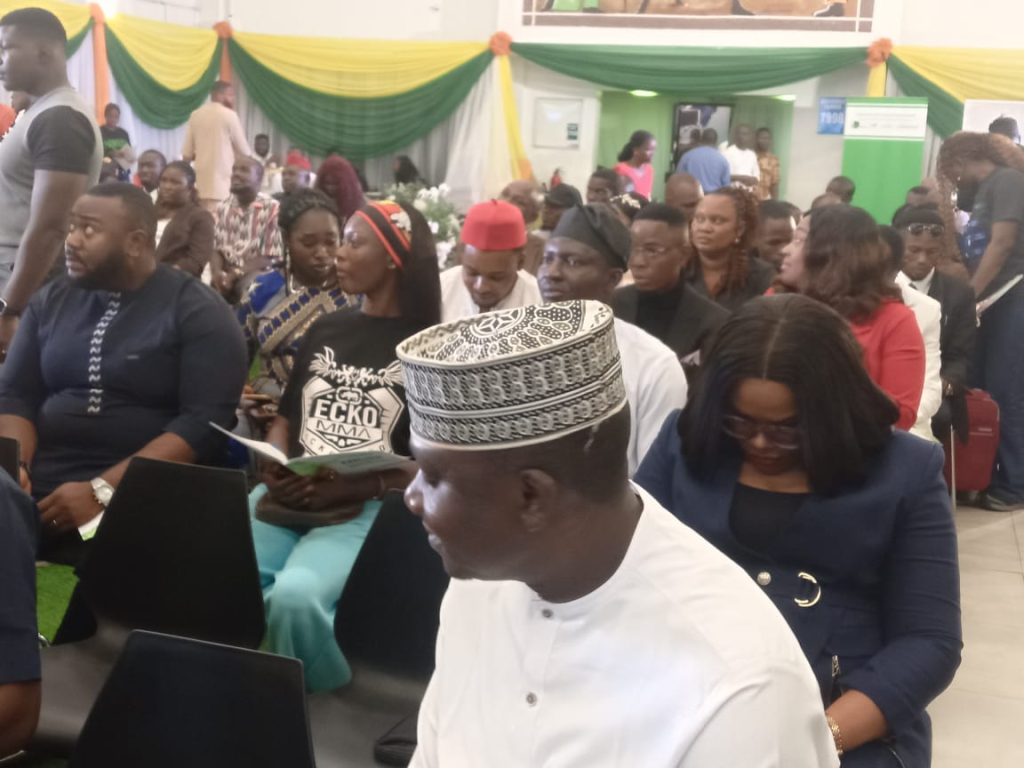
He noted that as they launch the project on the day, “We do so with confidence that the next generation of successful entrepreneurs, business leaders and job creators is already emerging. Some of them are seated in this room. We look forward to seeing what you will build, how many lives you will impact, and the role you will play in shaping a more prosperous future for our communities and our region.”
Speaking, Waribo Ayaobu-Cookey, manager, stakeholder relations of the NNPCL said the event solves two problems; “It’s about graduating 250 entrepreneurs and also about launching them into business (entrepreneurship).
He urged the beneficiaries to now build their own structure, seek opportunities, etc, saying this is the catalyst they needed.
“Contract ends when job ends, but enterprise grows as you high as you can build it. NRiSE is model for building entrepreneurship in the Niger Delta. So, let all hands be on deck.”
He assured that they at the NNPCL have reaffirmed their support for the scheme. “We are sure that the impact will spread to all of Nigeria.”
Some former beneficiaries gave success stories but emphasised that keeping records and structuring the business made the difference between doing ordinary business and doing a structured business.
What NRiSE does in oil region:
Records indicate that NRISE (NNPC-Renaissance Initiative for Sustainable Empowerment) is the flagship youth enterprise development programme of the Renaissance-operated Joint Venture, designed to equip young people with the skills, opportunities, and support needed to build sustainable businesses and successful livelihoods.
The programme reflects a belief that sustainable development is achieved not only through infrastructure and investment, but by empowering people to create economic opportunities for themselves and their communities. Through entrepreneurship, young people can become innovators, business owners, employers of labour, and contributors to long-term economic growth.
Powered by the Renaissance-operated Joint Venture, NRISE seeks to unlock the entrepreneurial potential of young people across the Niger Delta by providing access to entrepreneurship training, structured mentorship, business incubation, advisory support, market linkages, and strategic partnerships that help enterprises start, survive, and grow.
NRISE builds on the strong legacy of the LiveWIRE programme, one of the region’s most impactful youth enterprise development initiatives. Through LiveWIRE, approximately 11,000 young entrepreneurs received training and support, with many going on to establish successful businesses, create employment opportunities, become suppliers and business partners, and positively impact their communities.
Drawing on the lessons and successes of that experience, NRISE introduces an enhanced enterprise development model designed to support business sustainability, improve access to opportunities, and strengthen the entrepreneurial ecosystem across the Niger Delta.
Through this integrated approach, NRISE aims to nurture a new generation of entrepreneurs who will create jobs, stimulate local economies, and contribute to the prosperity and resilience of communities across the region.