
… NTDA says kingdom sitting on gold
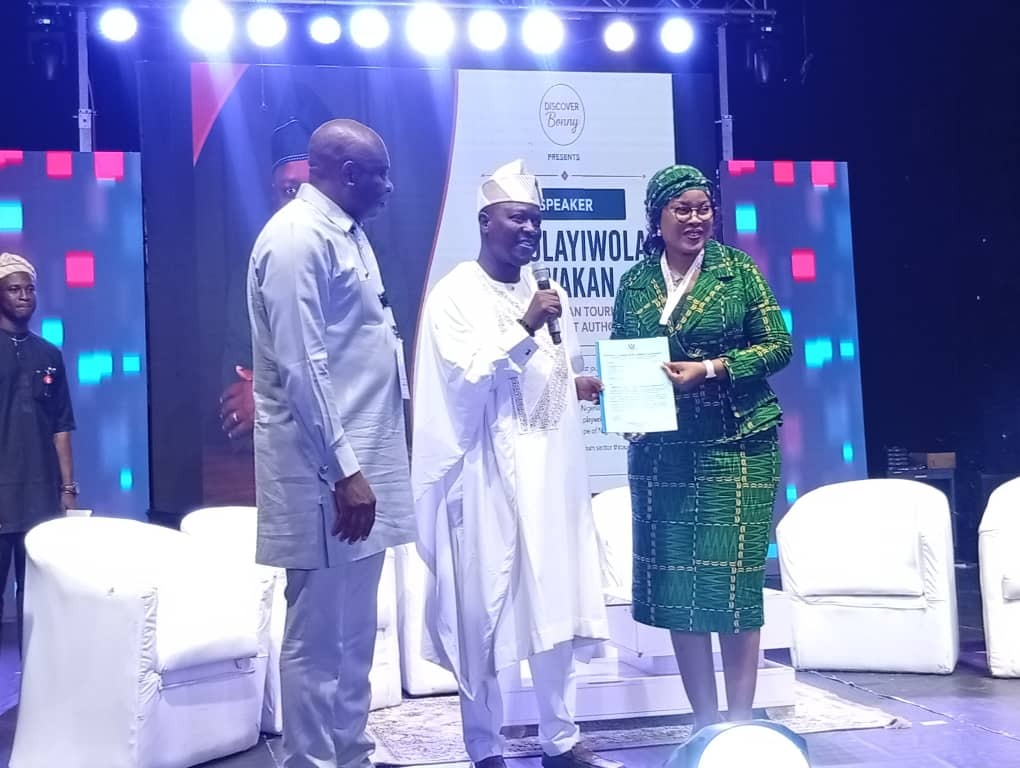
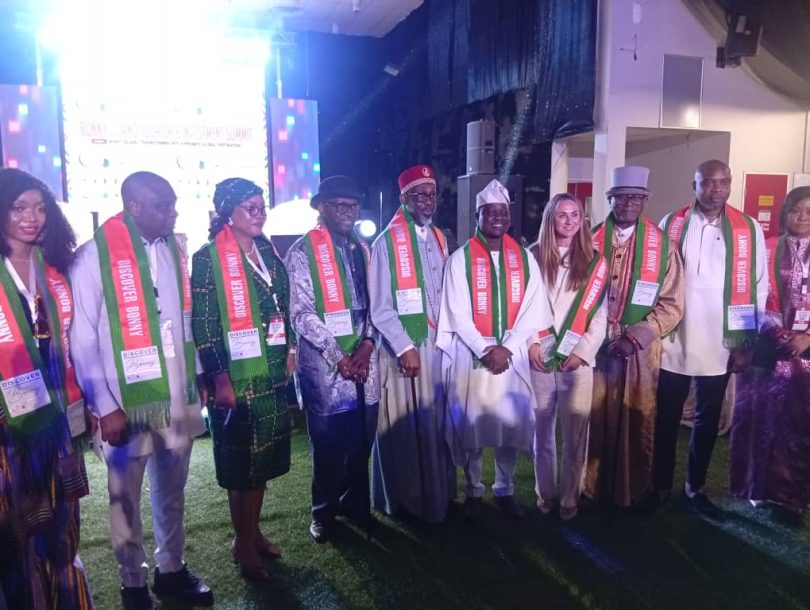
(NTDA says Bonny sitting on gold as kingdom eyes global tourism destination, jobs)
IGNATIUS CHUKWU
The Nigerian Tourism Development Authority (NTDA) and Grand Bonny’s traditional institutions have called for coordinated, people-centred investment to transform Bonny Island into a globally competitive tourism destination capable of creating jobs and boosting non-oil revenue.
The call followed efforts by the Bonny Chamber of Commerce, Industry, Mines and Agriculture and its partners, through the “Discover Bonny” initiative, to reposition the island as a tourism hub and reduce its dependence on oil and gas.
The chamber last week announced a three-day programme to unveil the initiative, which it described as a three-year strategic plan aimed at positioning Bonny Island as a premier tourism destination in Nigeria and attracting investment into its tourism, heritage, hospitality and creative sectors.
The event, tagged the “Bonny Island Tourism & Investment Summit 2026,” was held from August 18 to 20, 2026, on Bonny Island, Rivers State.
Constance Nwokejiobi, president of the Bonny Chamber, said at a press conference ahead of the summit that the initiative represented the most ambitious chapter yet in the chamber’s advocacy for the economic development of Bonny Kingdom.
She said the chamber, as the economic advocacy arm of Bonny Kingdom and an affiliate of the Nigerian Association of Chambers of Commerce, Industry, Mines and Agriculture (NACCIMA), had consistently pushed policies and projects capable of driving sustainable development on the island.
Bonny sitting on gold — NTDA DG
Olayiwola Awakan, NTDA director-general, described Bonny Island, home of the Bonny people and which he preferred to call by its traditional name, Okoloama, as rich in tourism potential comparable to mining gold.
Awakan, speaking for Hannatu Musa-Musawa, the Minister of Art, Culture, Tourism and the Creative Economy, and the NTDA, on Wednesday, pointed to the island’s waterways, mangrove ecosystems, festivals, cuisine and heritage assets as the raw materials for a competitive tourism product.
He warned, however, that attractions alone would not make Bonny world-class.
“A destination becomes competitive when its attractions are deliberately developed, connected, packaged, marketed, and sustainably managed to create memorable experiences for visitors and measurable economic value for the host community,” he said.
Awakan urged the development of a complete destination ecosystem that includes access and connectivity, accommodation, visitor services, safety, digital visibility, environmental safeguards, investment facilitation and strong governance.
The director-general said the NTDA would work with traditional institutions, governments, communities and the private sector to unlock tourism and investment opportunities on the island.
He also cautioned that Bonny’s coastal and mangrove environment must be protected as tourism infrastructure and investment are introduced. He urged a tourism model that is economically viable, environmentally sustainable, culturally respectful and socially inclusive.
Maritime heritage, our future growth – Amanyanabo
King Edward Asimini William Dappa Pepple III, Amanyanabo of Grand Bonny Kingdom, stressed the need for strategic and sustainable partnerships that respect local culture and the environment, as well as projects that transfer skills and create employment.
The monarch listed waterways, island beaches, festivals, regatta, cuisine and historic sites as tourism assets that could complement existing oil-and-gas investments and industrial infrastructure in the area.
He said, “Bonny is a kingdom of history, heritage, and opportunities. Bonny is a kingdom with a remarkable history and a proud heritage.”
“For centuries, our people have been connected to the waterways of the Niger Delta and to commerce, trade, diplomacy, and international relations. Our maritime heritage is, therefore, not simply part of our past; it is the foundation upon which we can build a prosperous future.”
“Today, Bonny occupies a unique position in Nigeria’s economic landscape. We are home to major oil and gas investments and significant industrial infrastructure, while also possessing extraordinary cultural, historical, ecological, and tourism assets,” he said.
The Amanyanabo called for responsible, inclusive investment, with strong focus on human capital and jobs for youths. He urged investors to prioritise skills development, entrepreneurship and local capacity building so young people can meaningfully participate in new economic opportunities.
Partners back initiative
Samuel Ogbuku, managing director of the Niger Delta Development Commission (NDDC), represented by Lynna Okara, director, Commercial and Industrial Development; Tony Attah, managing director of Renaissance Energy Limited; and Adeleye Falade, managing director of NLNG, described the Bonny tourism initiative as long overdue.
The three organisations, partners in the Bonny Chamber-led initiative, said Bonny needs to diversify through tourism, citing its rich cultural heritage and products.
The partners said Bonny is finding a new path in its march to sustainable development, stressing that responsible investment, respect for the ecosystem and youth employment must remain the focus.
Women seek inclusion
Women on the island, led by the Bonny Kingdom Women Forum, said they are intentional about building women-led businesses that would project the kingdom’s traditional cultural products and participate in the growth of the tourism industry.
Helen J.W. Pepple, leader of the Bonny Kingdom Women Forum, said the island is blessed with rich cultural products, while calling for deliberate inclusion of women in the implementation of the “Discover Bonny” initiative.
She said women must be central to the island’s tourism strategy, from crafts and culinary services to hotel ownership and hospitality skills, while describing traditional practices such as the woven wrapper and marriage rites as both cultural assets and income sources when deliberately developed and marketed to visitors.
International hub
Julia Kleber, chief executive officer of Kleber Group, whose company has taken an interest in the initiative, said the island has the potential to become a global tourism hub comparable to Dubai, Kigali and others.