
By Dr Mfon Utim, Programme Coordinator
As part of the Healthy Life Development Initiative (HELDi)’s efforts to support survivors of sexual and gender-based violence (SGBV), SGBV Response Teams have been established, trained and inaugurated across the three project implementation Local Government Areas (LGAs) of Rivers State, namely Etche, Eleme and Ogba/Egbema/Ndoni (ONELGA). The Response Teams were selected across the various clans in the LGAs, particularly because some of the LGAs, such as ONELGA, comprise numerous communities, with some areas having approximately 100 communities. The teams have been trained and inaugurated in their respective LGAs and are currently awaiting the official launch by the Rivers State Government. Through the support of the Response Teams, community stakeholders and other project activities, HELDi has conducted extensive SGBV sensitisation and awareness activities across the three LGAs using various approaches, including market, roadside, school and community sensitization, as well as media engagements through social media platforms, radio broadcasts and discussions, and newspaper publications. The three project implementation LGAs have experienced oil and gas activities for several decades, with oil and gas operations in the areas dating back to 1956.
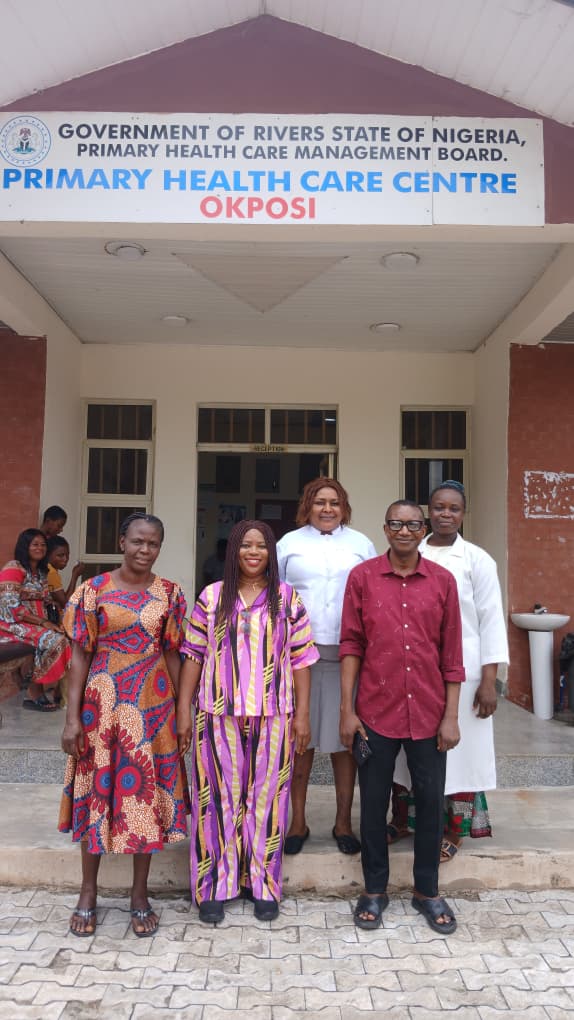
In addition to these sensitization activities, HELDi has undertaken extensive field data collection involving SGBV survivors, Response Team members, community stakeholders and health facilities across the three LGAs, following approval from the Rivers State Primary Health Care Management Board (RSPHCMB). Through these engagements, HELDi and its team have reached and engaged more than 400 survivors, as well as parents, caregivers, community stakeholders and service providers.
However, data collection was limited to health facilities and other engaged stakeholders, as access to other government institutions, particularly the police, also required state level approval. The lengthy approval process, coupled with the limited time available for the activity, made it challenging to obtain the necessary authorisation within the project timeline.
The assessment examined survivors’ experiences following incidents of abuse, their access to healthcare, shelter, police services, legal assistance, judicial and other justice services, reporting practices, case documentation, referral pathways, barriers preventing survivors from accessing available services, and the reported occurrence and patterns of SGBV across the LGAs.
The findings indicate a high occurrence of reported SGBV cases across the three LGAs, particularly in Eleme and ONELGA. The assessment also found that many survivors do not access formal response services after experiencing sexual and gender-based violence. Consequently, some survivors continue to experience serious physical and psychosocial challenges, including trauma, emotional distress, stigma and other health-related difficulties. In some cases, the consequences of the abuse may remain unknown to the survivors, their relatives or other people around them, particularly where the abuse is not disclosed or reported. A significant number of cases, particularly those involving sexually abused minors and adolescents identified and reported during the field engagement, were handled through informal financial settlements between parents, caregivers and families. This occurred despite the fact that some cases were referred to appropriate formal protection and justice mechanisms. Poverty, financial constraints and difficulties associated with obtaining the reports and documentation required to pursue formal justice were among the factors contributing to this situation.
The three LGAs have experienced oil and gas activities for several decades, accompanied by environmental and socioeconomic challenges. The field assessment identified a high occurrence of reported SGBV cases across the three LGAs, particularly in Eleme and ONELGA. Existing research has also linked exposure to environmental pollutants with various health and psychosocial concerns, including stress, anxiety, and other mental health challenges. These environmental and socioeconomic conditions may contribute to broader vulnerabilities and psychosocial stress within affected communities, potentially exacerbating the risk of SGBV. Furthermore, the presence of oil and gas operations and the influx of workers and visitors into some of these areas may introduce additional social and socioeconomic challenges that could increase vulnerability to SGBV.
The assessment further found that most of the survivors engaged and interviewed had not received appropriate services, including some survivors who had been referred by the SGBV Response Teams. Financial constraints, complicated processes and procedures, lack of free services and challenges encountered with service providers were identified as significant barriers. Some survivors reported that they had not received any formal services following the abuse, while many reported relying on roadside patent medicine vendors for treatment instead of accessing recognised health facilities, despite the urgent need for appropriate medical care following incidents of SGBV. Financial constraints were identified as a major reason for not seeking services, particularly medical care. The cost of treatment, limited accessibility of health facilities, and transportation difficulties were also reported as significant barriers. Information obtained from health facilities further indicated that survivors do not routinely present at health facilities to receive SGBV-related services. The limited presentation of survivors at health facilities is reflected in the low number of documented SGBV cases recorded by the facilities visited.
Across the health facilities visited and engaged during the assessment in the three LGAs, including all the health facilities visited in Eleme LGA, only 15 SGBV-related cases were reportedly documented from November 2024 to the time of the assessment, despite the presence of approximately 20 health facilities in the other LGAs. Approximately 98% of the facilities indicated that they had no documented SGBV reports during the period under review. The few available records mostly concerned cases of sexual abuse and were, in some instances, associated with personnel working with the Institute of Human Virology Nigeria (IHVN) in Eleme LGA. The low level of documentation is inconsistent with the number of survivors and cases identified through community-level engagements and indicates significant gaps in SGBV case identification, reporting, referral and documentation within health facilities, as well as barriers preventing survivors from accessing these facilities. These barriers include financial constraints, limited availability of health workers and other challenges affecting access to care. Some health facilities were also found to be closed during visits, further limiting survivors’ access to immediate and appropriate healthcare and related services.
The difficulty in obtaining medical reports emerged as a major barrier to survivors seeking justice. Survivors who wished to pursue their cases through the formal justice system often lacked the medical documentation that could support their cases. Many survivors did not receive medical attention immediately after the abuse and consequently experienced difficulties obtaining relevant medical documentation at a later stage. This challenge was encountered repeatedly during the field engagement and contributed to limiting the ability of some survivors to pursue legal remedies. The lack of medical documentation was further compounded by the absence of police documentation in several cases.
The assessment also identified significant gaps in police response. Survivors and their families reported difficulties obtaining police intervention, particularly when requesting the arrest of alleged perpetrators. Some survivors and caregivers reported that they were asked to provide transportation funds for the police to facilitate the arrest of alleged perpetrators. In some reported cases, requests for arrest were not acted upon. Survivors and caregivers also reported difficulties obtaining written evidence confirming that a case had been reported to the police. In some instances, no written report, acknowledgement, or other documentation was provided to confirm that the complaint had been formally received. The absence of such documentation creates an additional barrier for survivors who subsequently seek legal intervention, as there may be no formal record of the initial report.
The combined absence of medical and police documentation has significantly affected some survivors’ ability to pursue formal justice. The assessment also identified a need for safe spaces or shelters for survivors facing life-threatening situations or other protection concerns. Approximately 98% of the survivors engaged during the assessment had not taken their cases through the formal court process. One survivor who successfully pursued a case through the court had initially accessed a health facility for treatment following the abuse. However, the survivor experienced difficulties obtaining the medical report and incurred additional costs in the process of obtaining the required documentation. In some cases, members of the SGBV Response Teams intervened through family-level dialogue, peacebuilding or settlement rather than formal justice mechanisms, particularly where survivors and their families faced financial constraints. While such interventions may help address immediate family disputes, they do not substitute for formal justice mechanisms or provide survivors with a documented legal response to the reported abuse.
The field engagement also identified several reported cases of sexual abuse involving minors and adolescents. Parents, other relatives, neighbours, and close family friends were identified or reported as alleged perpetrators in several of these cases. The involvement of family members was an additional barrier to disclosure and reporting, particularly where families chose financial settlement or internal resolution because of concerns about shame or stigma rather than reporting the matter to the appropriate authorities. The situation is particularly concerning where a survivor continues to live in the same environment as the alleged perpetrator and has limited access to independent protection and support.
The psychological impact of SGBV was also evident among survivors engaged during the assessment. Survivors reported or demonstrated experiences of stigma, trauma, depression, emotional distress and other psychological difficulties. In one case in Etche LGA, a survivor who had experienced sexual abuse experienced significant emotional distress and was unable to narrate her experience during the interview. Her sister therefore provided the account on her behalf. This experience highlights the importance of survivor-centred engagement and the provision of trauma-informed psychosocial support for SGBV survivors.
The assessment further found that some survivors continue to experience health challenges because they did not receive immediate medical attention following the abuse, as reported by many of the survivors engaged. Delayed access to appropriate healthcare may leave survivors with unresolved health concerns and without the medical documentation that may be required to support subsequent legal or protection processes. Financial limitations, limited availability of medical personnel, transportation challenges and inadequate information about available services continue to prevent some survivors from accessing appropriate healthcare.
In response to the psychosocial needs identified among survivors, HELDi has provided trauma healing, psychosocial support and safe spaces for survivors in Eleme LGA through a dedicated support project. The intervention provides survivors with a safe and supportive environment where they can receive psychosocial assistance and trauma healing sessions, discuss their experiences without judgement and begin their recovery process. It also provides an opportunity to identify survivors who require additional health, protection, legal or other specialised services and facilitate appropriate referrals.
Overall, the field data collected through engagements with more than 400 survivors across communities in Eleme, Etche and ONELGA LGAs demonstrates significant gaps between the reported occurrence of SGBV and survivors’ access to formal response services. The major barriers identified include informal settlement of cases, particularly those involving minors and adolescents; failure to obtain immediate medical attention; lack of free medical services and financial barriers to healthcare; limited availability of functional 24-hour services; difficulty obtaining medical reports; reported challenges in police response; lack of written police documentation; limited access to legal assistance; lack of safe spaces; weak documentation of SGBV cases at health facilities; stigma, trauma and emotional distress; and limited access to formal justice mechanisms.
The findings demonstrate that these barriers are interconnected. A survivor who does not receive immediate medical attention may subsequently experience difficulties obtaining medical documentation. Without appropriate medical documentation and a formal police report, the survivor may face further challenges in accessing legal services or pursuing a case through the formal justice system. Similarly, where families resort to financial settlement instead of formal reporting, the case may remain undocumented, while the survivor may continue to live with stigma and trauma and without adequate medical, psychosocial, protection or justice support.
The field assessment therefore highlights the need to strengthen coordination among health facilities, the police, legal service providers, community structures and survivor-support organisations. There is also a need to improve access to free or affordable services, especially medical services for survivors of SGBV, strengthen referral pathways and improve the availability and accessibility of survivor-centred services. Particular attention is required for minors and adolescents, given the frequency of reported sexual abuse involving this group and the involvement of parents, relatives, neighbours, and close family friends in some reported cases. Strengthening medical and police documentation, improving referral pathways, increasing survivors’ awareness of available services, addressing financial and other service-access barriers, improving the availability and functionality of health facilities, and expanding trauma-informed psychosocial support are necessary to improve survivors’ access to protection, healthcare, recovery and justice.