
By Ignatius Chukwu
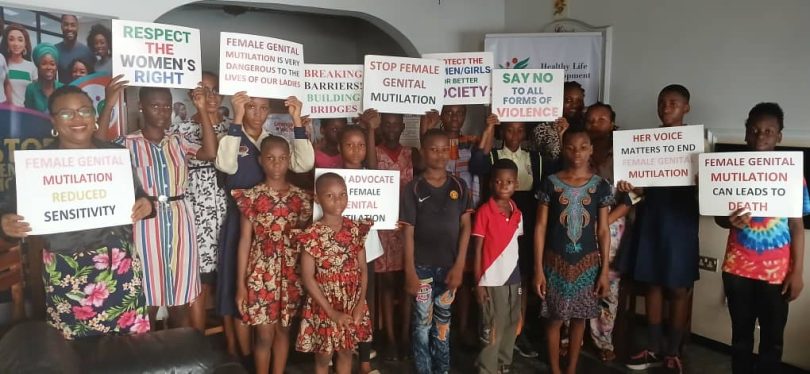
A fast-rising non-governmental organization (NGO), Healthy Life Development Initiative (HELDi), has renewed the demand for end to female genital mutilation (FGM).
HEDi said it joined the global community in observing the International Day of Zero Tolerance for Female Genital Mutilation (FGM) under the theme, “Stepping Up the Pace: Strengthening Alliances and Building Movements to End FGM.”
FGM is aid to be deeply rooted traditional practice involving the partial or complete removal of female external genitalia. It is also said to be a harmful and inhuman act that violates fundamental human rights and is recognized as a form of Gender-Based Violence (GBV).
According to Dr Mfon Utin, Coordinator of HELDI, for decades, millions of girls and women have endured this practice, often performed in unsanitary conditions and without medical supervision.
Dr Utin gave the details below:
FGM not only causes excruciating pain but also leads to both short-term and long-term consequences. Research indicates that over 230 million girls and women worldwide have been subjected to FGM, with an estimated 44,320 deaths occurring annually in countries where it remains prevalent.
In Nigeria, FGM continues to be widespread, particularly in the southern and northeastern regions, including some communities in Rivers State, despite the enactment of laws aimed at prohibiting the practice. These alarming statistics highlight the urgent need for intensified action to eliminate FGM and protect the lives and dignity of women and girls.
FGM offers no medical benefits and exposes survivors to severe health risks and long-term complications. Immediate health risks include severe pain, trauma, excessive bleeding (hemorrhage), shock from pain and blood loss, infections caused by unsterilized instruments, genital tissue swelling leading to further complications, urinary difficulties, delayed wound healing, and psychological trauma. In extreme cases, it can lead to death from excessive bleeding or severe infection.
The long-term effects are equally devastating. Survivors often suffer from chronic genital, reproductive, and urinary tract infections, persistent vaginal issues (such as itching, discharge, and bacterial infections), menstrual complications, extreme pain during menstruation, the formation of excessive scar tissue (keloids), painful sexual intercourse, and sexual dysfunction. There is an increased risk of complications during childbirth, which can lead to maternal and infant mortality. Many survivors also experience severe mental health conditions such as depression, post-traumatic stress disorder (PTSD), and anxiety.
Regulators in Nigeria play a critical role in eliminating FGM and ensuring the protection of girls and women. Their responsibilities include enforcing laws and regulations that criminalize FGM. Despite laws prohibiting FGM, enforcement remains weak, especially in rural areas where cultural practices are deeply entrenched. Authorities must strengthen the enforcement of these laws and ensure that violators are held accountable.
To eliminate FGM and safeguard the future of young girls, government authorities must prioritize the enforcement of laws that criminalize FGM and ensure survivors receive adequate support. This includes access to medical treatment, psychological counseling, and legal protection. Support services should be available to help survivors heal from both their physical and emotional wounds. Public awareness campaigns are crucial to inform communities about the dangers of FGM and its long-term consequences. Educational efforts should target both urban and rural communities, focusing on changing mindsets and eliminating harmful cultural norms.
Training healthcare professionals is essential. Doctors, nurses, and other healthcare workers must be equipped to identify and treat the consequences of FGM, as well as provide appropriate care for survivors. Additionally, regulators must work with traditional and religious leaders to change attitudes toward FGM, as these leaders hold significant influence in many communities. By collaborating with these leaders, regulators can help challenge the cultural norms that perpetuate FGM.
Traditional and religious leaders must publicly denounce the practice and advocate for its abolition. Parents and guardians must protect their daughters by rejecting harmful cultural expectations and prioritizing their well-being. Civil society organizations must expand advocacy campaigns, grassroots education, and community engagement. The global community must unite in eliminating all forms of FGM and ensuring a safer world for women and girls.
The fight against FGM must continue until every girl is free from the threat of this violence. Harmful traditions must not be allowed to rob the future of young girls. Ending FGM is a critical step toward achieving gender equality, protecting human rights, and promoting a healthier and safer society for all.
Join HELDi and millions of voices across the world in saying no to female genital mutilation, no to gender-based violence, and yes to a safe, healthy, and empowered future for all girls.
EndFGM #ZeroToleranceForFGM #ProtectOurGirls #SGBVPrevention #HealthForAll
$$