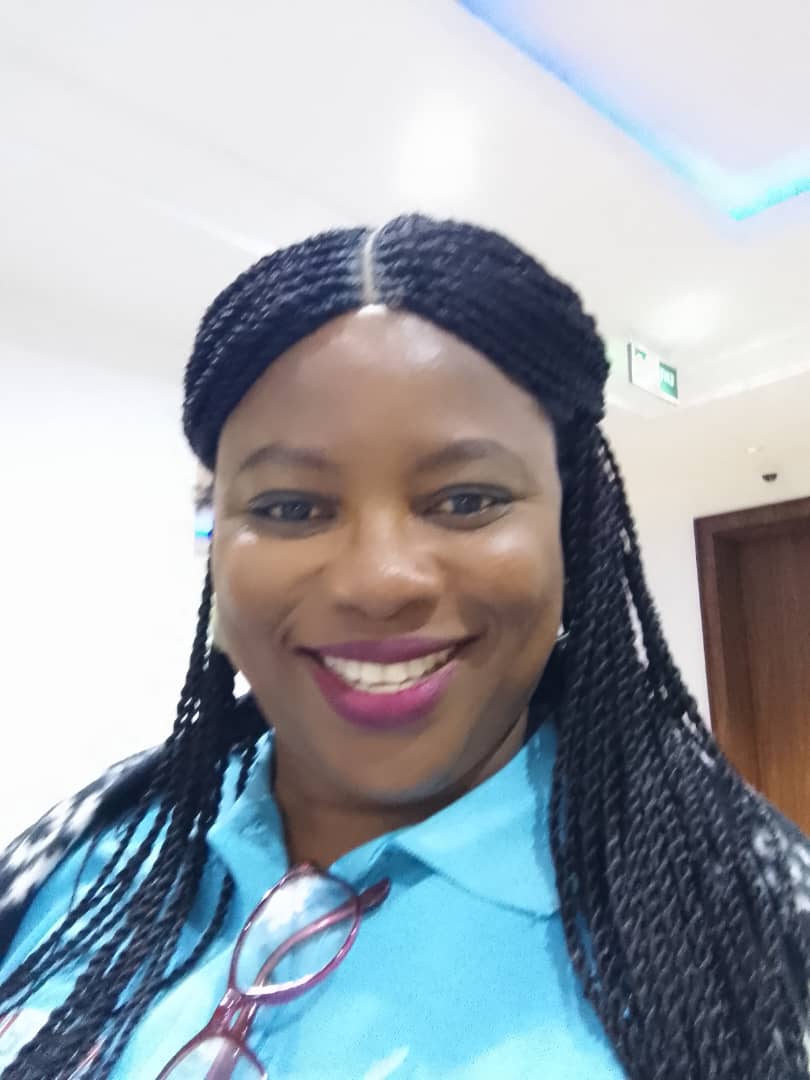

Dr Mfon Utin
On March 21, 2025, the world came together to observe World Down Syndrome Day, and Healthy Life Development Initiative (HELDi) proudly joined the global community in celebrating this important occasion. This year’s theme, ‘Improving Our Support System’ highlights the urgent need for better healthcare, education, and social support for individuals with Down syndrome, ensuring they receive the necessary care and opportunities to thrive.
World Down Syndrome Day was first recognized by the United Nations General Assembly in 2011, and since 2012, it has been observed annually on March 21 to create awareness, promote inclusion, diversity, and empowerment, and educate society on the importance of embracing individuals with Down syndrome and helping them lead fulfilled lives.
It is essential to recognize that Down Syndrome does not define a person; it is simply a genetic condition that makes learning and development more challenging. Research has shown that, with patience, perseverance, and the right support systems, individuals with Down Syndrome can contribute meaningfully to society.
Many people with this condition have made remarkable achievements globally, including Chris Burke, an actor and folk singer; Sujeet Desai, a musician and the first person with Down Syndrome to perform at Carnegie Hall; Isabella Tejada, a Guatemalan fashion designer; and Tommy Jesop, an actor and activist.
In Nigeria, however, there are limited widely publicized accounts of individuals with Down Syndrome achieving notable recognition, highlighting the need for greater awareness and support.
Down Syndrome is a genetic condition caused by an extra copy of chromosome 21, affecting a person’s physical growth, cognitive development, and overall well-being. It is not a disease but a natural chromosome variation.
The choice of March 21 as World Down Syndrome Day symbolizes Trisomy 21, the genetic term for the condition. Globally, 3,000 to 5,000 children are born with Down Syndrome annually. In Nigeria, the prevalence is estimated at 1 in 832 to 1 in 865 live births, though national data remains limited. The global 2019 age-standardized prevalence was 21.51 per 100,000 population, with higher rates in Southern Latin America and Western Europe.
The celebration of World Down Syndrome Day serves as a platform to create awareness, promote inclusion, advocate for rights, and strengthen support systems for individuals with Down Syndrome.
In Nigeria, the Discrimination Against Persons with Disabilities (Prohibition) Act 2018 provides legal protection, ensuring equal access to education, healthcare, and other essential services, while imposing penalties for discrimination. Additionally, the National Policy on Education (NPE) and the Universal Basic Education Act (UBEC) emphasize inclusive education for children with disabilities. However, despite these policies, implementation remains a major challenge due to lack of awareness, limited access to healthcare and education, and widespread discrimination in employment, public transportation, and social interactions.
While some non-governmental organizations (NGOs) are actively advocating for the inclusion of persons with Down syndrome, there is an urgent need for the Nigerian government to take stronger action. The government must ensure the provision of special schools, accessible healthcare facilities, and supportive environments in all states to enable individuals with Down syndrome to participate fully in society, achieve their full potential, and live happy and fulfilling lives. Without proper support, they face risks of depression, stigmatization, and exclusion, which can have severe consequences on their mental and physical health.
HELDi calls on families, caregivers, communities, governments, the global community to stand in solidarity with individuals with Down syndrome. It is our collective responsibility to support, empower, and advocate for them so they can live with dignity, independence, and purpose. Together, by improving our support systems, we can build a more inclusive society where everyone has equal opportunities to thrive.
(Dr Utin is the founder and coordinator of HELDi)
$$